
Editor’s note: This article was originally published in 2023 and has been updated to reflect new guidelines and research that have come out since the original publication date.
Experiencing erectile dysfunction (ED) can feel isolating, but it’s far more common than most men realize. Research shows that over half of men aged 40 to 70 experience some degree of ED.
ED simply means having trouble getting or keeping an erection firm enough for sex. It’s a medical condition, not a character flaw — though it often brings stress, worry, and even shame. The good news? Many of the steps that improve ED also improve your overall health and energy.
How weight affects erectile dysfunction
Being overweight or obese can impact blood flow, increase inflammation, and lower testosterone, which are all key contributors to erectile dysfunction. Extra weight raises your risk for conditions such as:
- High blood pressure
- Elevated cholesterol
- Cardiovascular disease
- Type 2 diabetes
All of these conditions can affect the blood vessels and nerves that make erections possible.
Hormones play a role, too. Excess belly fat is linked to lower testosterone and higher estrogen, which can affect sex drive (testosterone is necessary to have a healthy sex drive) and morning or nighttime erections.
Why waist size may matter more than weight
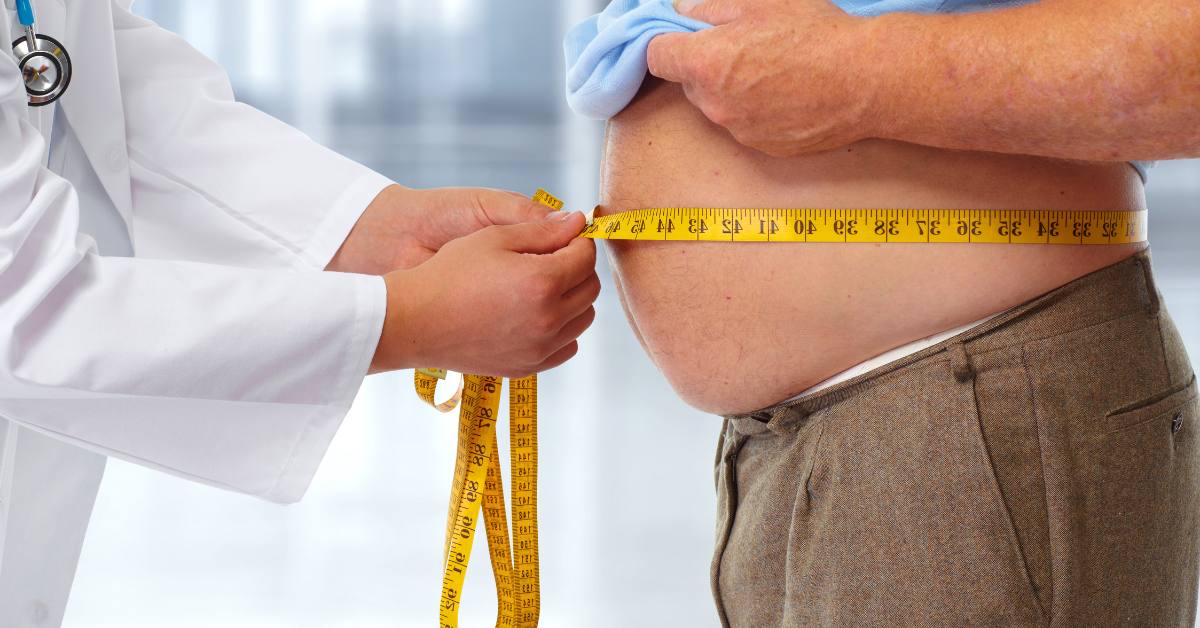
A recent study found something interesting: measuring your waist is actually a better way to predict ED risk than just looking at your weight.
- Men with a waist over 40 inches were almost four times more likely to experience ED than men with smaller waists.
- The Heart and Stroke Foundation of Canada also flags a waist circumference over 40 inches as a health concern seriously worth paying attention to.
Can weight loss improve ED?
Yes — for many men, it can.
In one study, men with both obesity and ED lost an average of 33 pounds over two years through dietary and exercise changes. More than 30% regained normal sexual function, compared to just 5% of men in the control group who didn’t make lifestyle changes.
And earlier this year (2025), new European guidelines recommended weight loss as a first-line treatment for men with ED who also carry excess weight. This is a big deal because it shows that lifestyle changes aren’t just “nice to have”, they’re proven treatments that work.
Lifestyle changes that improve ED and support weight loss
Whether your goal is improving erections, boosting confidence, or simply feeling healthier, these habits help on all fronts.
Move your body regularly
Physical activity supports healthy blood flow, reduces excess body fat, and lowers your risk for heart disease and diabetes — all factors linked to ED. Walking, strength training, cycling, and swimming are all great options. The key is to choose something you enjoy and build from there.
Eat more heart-healthy foods
Transitioning to a heart-healthy diet can improve both sexual and overall health. That means:
- Less saturated and trans fats
- Fewer sugary and ultra-processed foods
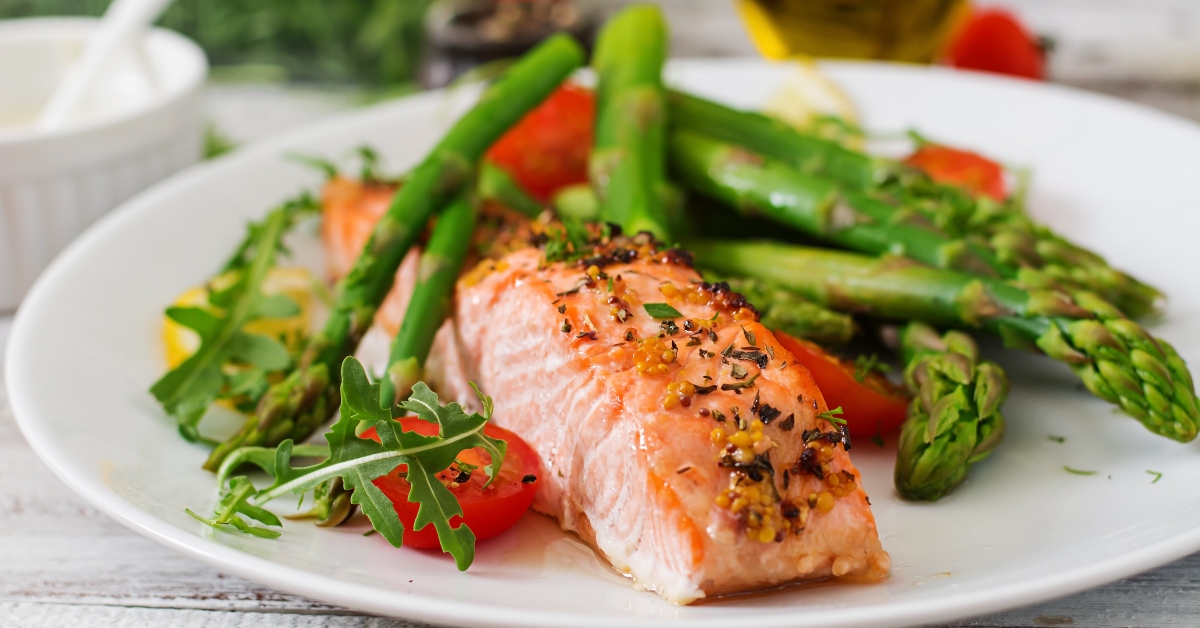
- More vegetables, fruit, whole grains, lean proteins, and healthy fats
You don’t need to overhaul everything at once; even small changes can make a difference.
Prioritize sleep
Poor sleep disrupts hormones that regulate appetite, metabolism, and sexual function. Aim for 7–9 hours most nights. Better sleep often means better energy, better mood, and yes — better erections.
Cut back on alcohol
Heavy drinking can lower testosterone and make it harder to lose weight. Some men also notice difficulty getting or maintaining an erection after drinking. Try setting a drink limit or building more social plans that don’t revolve around alcohol.
Quit smoking
Smoking damages blood vessels — including the ones involved in erections. Research shows men often see improvements in ED after quitting. It’s not an easy change, but it’s one with huge benefits.
What are the latest treatments for ED?
Depending on the severity of the ED you’re experiencing and the health factors contributing to your condition, lifestyle changes may not be the complete solution for you (though they always help).
Medical treatments for ED include:
- Oral medications
- Injectable medications
- Vacuum or pump devices
- Urethral suppository medications
- Surgical implants
You’re not alone, and you’re not stuck with ED
ED can take a toll on your confidence, relationships, and mental health, but it’s also highly treatable. Small, consistent lifestyle changes can improve erections, increase energy, and strengthen overall health. And if you need medical support, reaching out is a sign of strength, not weakness. You deserve a sex life that feels good again, and there are many ways to get there.
Your first step in seeking further treatment for erectile dysfunction should always be to consult a medical professional.
While erectile dysfunction can be a persistent issue and stressor for your emotional health and relationships, don’t feel hopeless. There are many things you can do to improve and prevent the problem, making sex more enjoyable and fulfilling once again.
What’s one small change that’s helped you feel healthier or more energized lately? Share it below — your experience might help someone else.

Are You at Risk?
Learn your risk level for the most common men’s health conditions in 10 minutes with a free, confidential, and personalized report.


Thanks for this article. I’m a 76 year old male, married 52 years with the girl of my dreams. Our sex life revolves more around cuddling than passionate rolling in the hay, but our love has never been deeper or more consoling.
Two years ago I began to take back control of my health. Intermittent fasting helped me go from 220 to 180 and I began walking regularly. Gradually, I began jogging and I bought some weights. I included protein powder and cut out sugar altogether.
Today I run almost every day, five miles, and my best time is 46:30… but mostly around 50 minutes.
I’m really thankful for having the opportunity and ability to make this change. Everything about diet and exercise is true. Change is possible if you’re patient and don’t set impossible goals for yourself. Two years ago a good friend gave me some advice that I took to heart. “Trust God and take the next step” is what he told me. Let today be your first day of change.
The better shape I’m in I just feel better, mentally, physically, sexually. Just getting a little momentum together in the right direction keeps me motivated. It’s not just aesthetics, you just feel better, have more energy and this can definitely contribute to wanting to have more sex. And having more sex makes me relaxed and frankly more confident. Interesting article, thanks for sharing!